
Mohbat Tharani
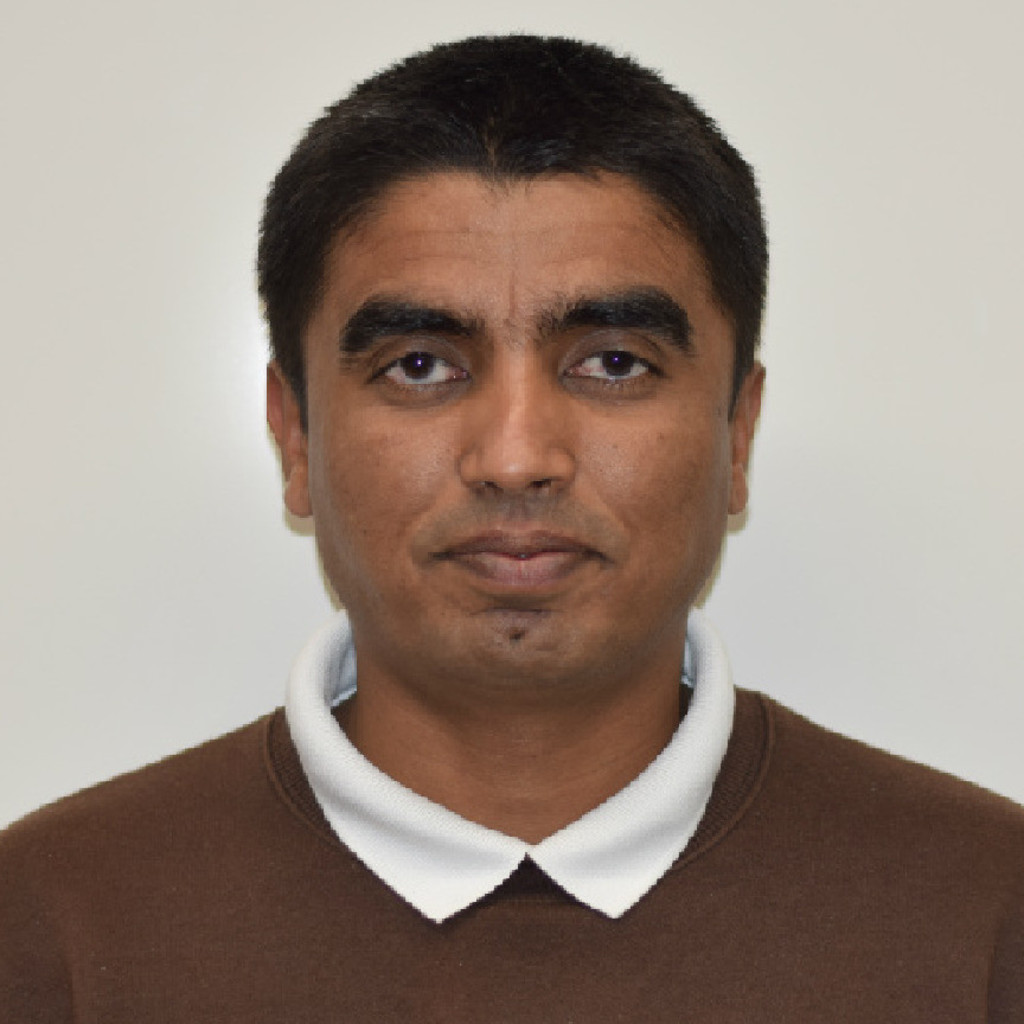
Mohbat Tharani is a Research Assistant in Computer Vision & Graphics Lab (cvglab) at LUMS Syed Babar Ali School of Science and Engineering.
Mohbat Tharani is a Research Assistant in Computer Vision & Graphics Lab (cvglab) at LUMS Syed Babar Ali School of Science and Engineering.

Ali Hassan is a Research Assistant in Computer Vision Lab (cvlab ) at LUMS Syed Babar Ali School of Science and Engineering. Research Interest My main areas of interest are Computer Vision, Machine Learning and Robotics. I am primarily interested in Human Motion Analysis. I am currently working on “Human Body Pose Estimation from Monocular…
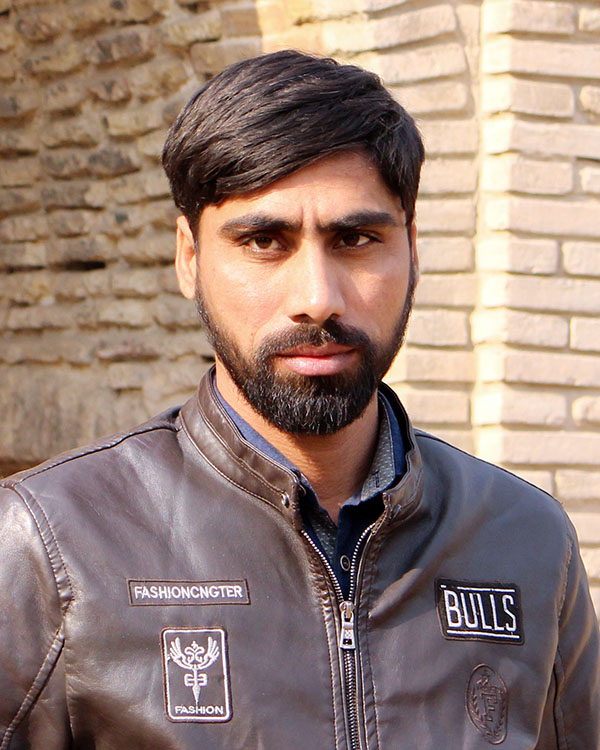
Amjad is a Graphics Engineer in Computer Vision & Graphics Lab (cvglab) at LUMS Syed Babar Ali School of Science and Engineering. His area of expertise are designing and modeling, virtual tours and Laser Scanning See Also: http://heritage360.pk
Ijaz Akhter is a Ph.D. candidate in the Department of Computer Science, Lahore University of Management Sciences. Research Interests My research interests span the broad areas of Computer Vision and Graphics. More specifically I am interested in exploring the geometric properties of nonrigid object. The geometric relations between a camera and rigid world are well-known…

Numan Khurshid, Mohbat Tharani, Murtaza Taj, and Faisal Qureshi Abstract: We propose a new method for remote sensing image matching. The proposed method uses encoder subnetwork of an autoencoder pre-trained on GTCrossView data to construct image features. A discriminator network trained on University of California Merced Land Use/Land Cover dataset (LandUse) and High-resolution Satellite Scene…
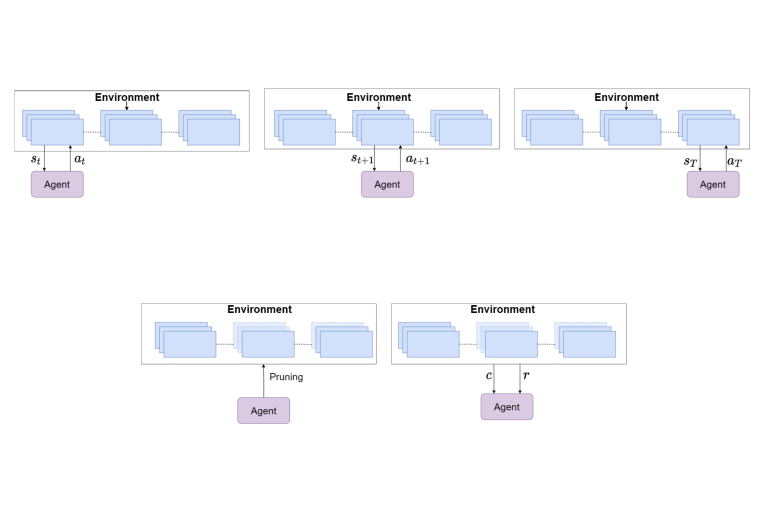
Shehryar Malik, Muhammad Umair Haider*, Omer Iqbal, Murtaza Taj Abstract: Network pruning reduces the size of neural networks by removing (pruning) neurons such that the performance drop is minimal. Traditional pruning approaches focus on designing metrics to quantify the usefulness of a neuron which is often quite tedious and sub-optimal. More recent approaches have instead…
Aamer Zaheer is a Ph.D. candidate in the Department of Computer Science, Lahore University of Management Sciences. Publications: ICCV2011, ECCV2012 or did it take a change in perspective and large porn tubeTips to get Success in World of Fashion Modeling The Fashion ED Hardy Hoodies for Glamorous Ladies lesbian porn a vibrant suburbthe…